


Overview
- Recognizing Self-Sabotage Patterns: Self-sabotage manifests in various forms such as procrastination, perfectionism, negative self-talk, and burnout, which can hinder personal and professional progress even without awareness.
- Signs and Impact of Self-Sabotage: Warning signs include feeling stuck, making excuses, starting but not completing tasks, and self-doubts, which can damage relationships, careers, and overall happiness.
- Root Causes of Self-Sabotage: Self-sabotage often stems from low self-esteem, negative inner critical voices, childhood experiences, fear of failure or success, and perfectionism, all of which influence destructive behaviors.
- Strategies to Overcome Self-Sabotage: Practical solutions include daily self-awareness through journaling, challenging negative thoughts, creating specific action plans, building support networks, and practicing self-compassion.
- Taking Immediate Action to Break Free: Start with small steps today, like journaling or reaching out for support, to build momentum; positive change is possible when you begin recognizing and addressing self-sabotaging habits.
Self-sabotage can silently destroy your dreams and potential. Moreover, at The Higher-Powered Life, we’ve seen how this behavior pattern holds people back from their goals and happy lives.
In this post, we’ll explore the signs of self-sabotaging behavior, its root causes, and practical ways to break free. Additionally, we’ll show you how understanding these behaviors can unlock your true potential and create lasting change.
How to Recognize Self-Sabotage
First, let’s understand that self-sabotage can hurt your progress without you noticing. Therefore, it’s important to spot these patterns in your own life.
The Many Faces of Self-Sabotage
Self-sabotaging behavior shows up in different ways. For instance, it might appear as putting things off until the last minute. Furthermore, it could look like perfectionism, where you set impossible standards that stop you from acting.
Some people use negative self-talk. They constantly criticize themselves and hurt their confidence. Meanwhile, others might take on too many tasks and burn out quickly.
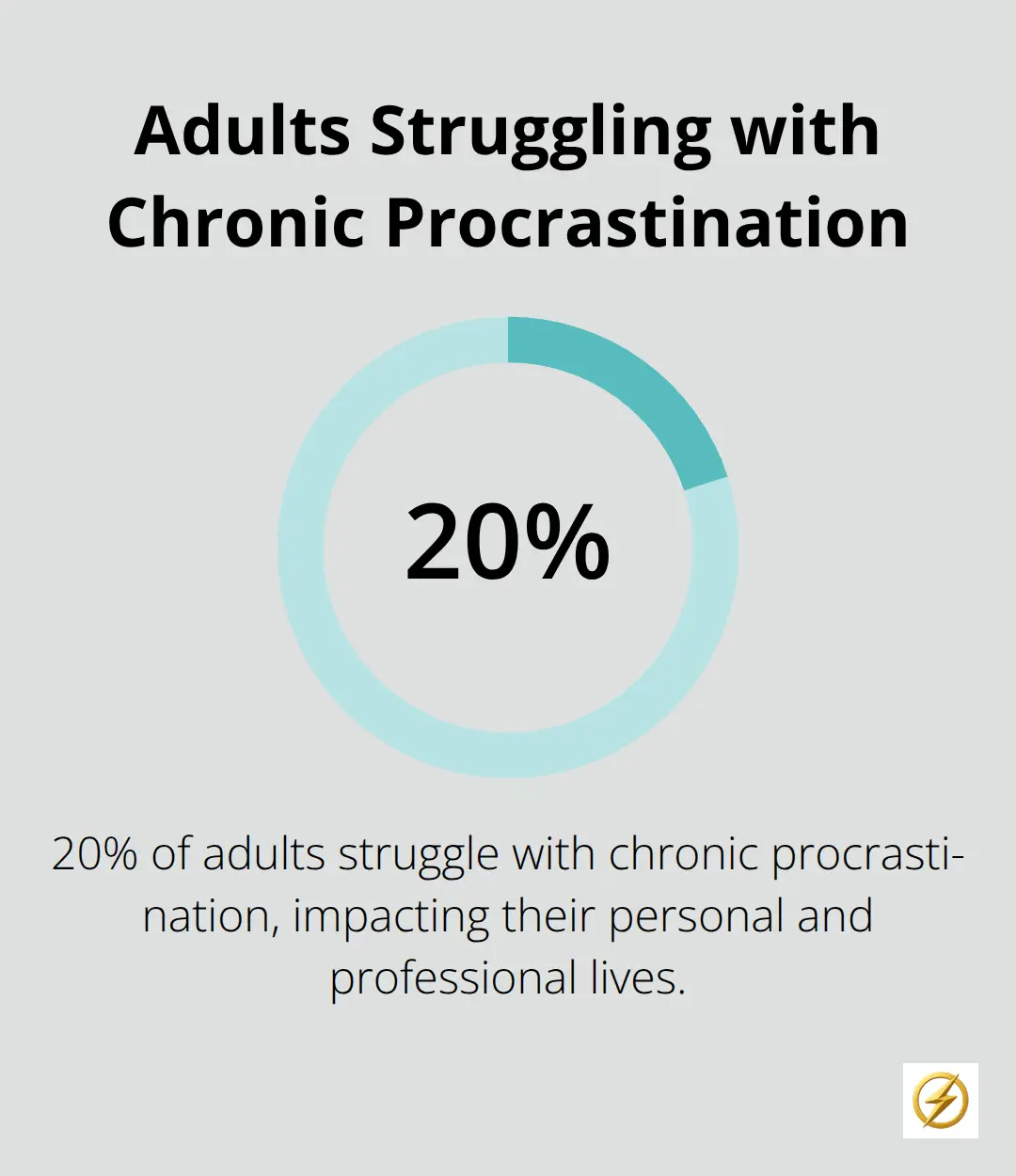
Research shows that about 20% of adults struggle with chronic procrastination. Importantly, this isn’t just about being lazy. Instead, it’s a form of self-sabotage that can seriously hurt your personal and work life.
Red Flags: Signs of Self-Sabotage
Recognizing self-sabotage is the first step to beating it. Here are some warning signs to watch for:
- You often feel stuck or can’t move forward with your goals
- You make excuses or blame others for your lack of progress
- You start projects or relationships but never finish them
- You do things you know are harmful when stressed
- You feel like a fake despite your achievements
The Ripple Effect of Self-Sabotage
The impact of self-sabotage spreads far and wide. In your personal life, it might lead to damaged relationships and missed chances. Furthermore, it creates a general feeling of unhappiness.
At work, self-sabotage can hurt your career growth and job satisfaction. For example, it might show up as missing deadlines or avoiding networking events. Additionally, you might turn down promotions because of self-doubt.
With money, self-sabotage can lead to poor spending habits. It might also cause you to avoid financial planning completely.
Breaking the Cycle
Recognizing these patterns is essential. Therefore, try keeping a journal of your thoughts and behaviors. This simple act can reveal patterns you might have missed before.
Once you know your self-sabotaging habits, you can challenge and change them. Remember, self-sabotage is learned behavior. This means you can unlearn it too.
Why Do We Sabotage Ourselves?
Understanding why we hurt ourselves is key to stopping it. Let’s explore the main reasons behind this behavior.
The Inner Critic’s Influence
Low self-esteem often drives self-sabotage. This inner voice constantly whispers doubts and criticism. As a result, it hurts our confidence and abilities.
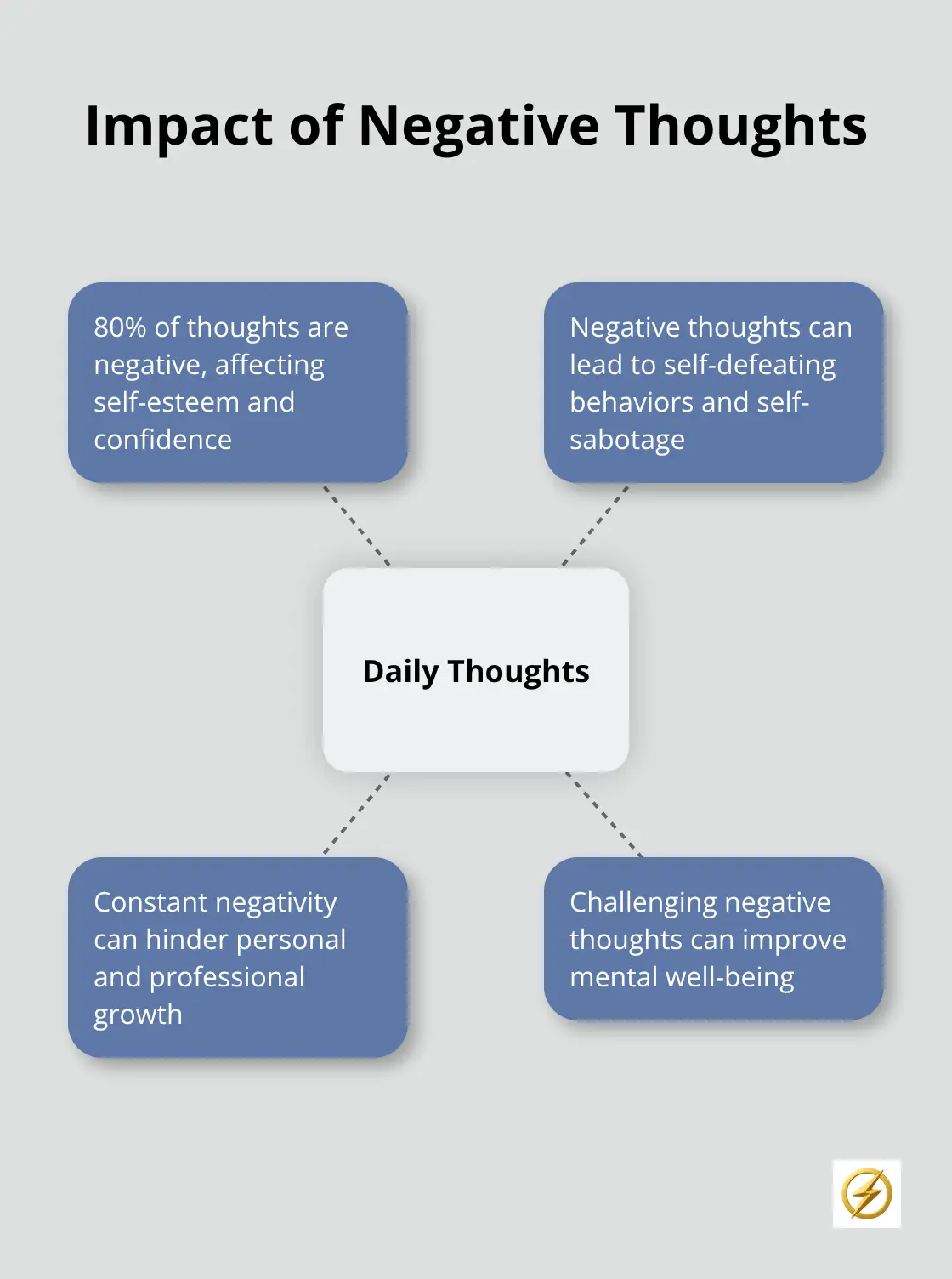
The National Science Foundation found that people have 12,000 to 60,000 thoughts per day. Surprisingly, 80% of these thoughts are negative. This constant negativity can lead to self-defeating behaviors.
To fight this, try keeping a thought journal. Write down negative thoughts as they happen. Then, challenge them with facts and positive evidence.
The Paradox of Fear
Fear of failure clearly causes self-sabotage. However, fear of success can be just as harmful. Success often brings change and new responsibilities. These prospects can scare some people into hurting their own progress.
To address this, picture your success in detail. What does it look like? How does it feel? This exercise can make success less scary and more real.
Childhood Echoes
Our early experiences shape our beliefs and behaviors. Negative childhood experiences can create limiting beliefs that last into adulthood. For instance, if you received constant criticism as a child, you might develop self-criticism habits.
Finding these patterns is the first step to breaking them. Think about your childhood experiences and how they influence your current behavior. Consider getting professional help to work through deep issues.
The Role of Perfectionism
Perfectionism significantly contributes to self-sabotage. Research shows that perfectionism is common among teens and harmful to mental health. This mindset can stop people from starting projects or pursuing opportunities.
To combat perfectionism, embrace a growth mindset. Understand that mistakes are chances to learn, not signs of personal failure. Set realistic goals and celebrate small wins along the way.
How to Break Free from Self-Sabotage
Now that we understand the problem, let’s explore practical solutions. These strategies will help you overcome self-destructive patterns.
Start a Self-Awareness Practice
One of the best tools to fight self-sabotage is daily self-reflection. Research shows that journaling can improve mental health and reduce stress. Therefore, spend 10 minutes each day writing down your thoughts and feelings.
Pay attention to situations where you feel stuck. Look for self-defeating patterns you might have missed before. Additionally, set a daily phone reminder to stick to this habit.
Challenge Your Inner Critic
When you notice negative self-talk, challenge it right away. Ask yourself: Is this thought based on fact or just emotion? What proof do I have for this belief?
A helpful trick is to imagine what you’d tell a friend in the same situation. Often, we’re much kinder to others than ourselves.
Create Implementation Systems
Instead of setting vague goals, create specific action systems. Rather than “get in shape,” build a system like “go to the gym every Monday, Wednesday, and Friday at 7 AM.”
Focus on the process, not just the outcome. For example, commit to writing 500 words daily instead of just “write a book.” This approach makes progress more manageable and less overwhelming.
Furthermore, track your daily habits rather than just end results. Use a simple checklist or app to mark off completed actions. This gives you immediate feedback and builds momentum.
Build a Support Network
Don’t try to beat self-sabotage alone. Share your goals with trusted friends or family who can encourage you. Consider joining a support group or finding someone with similar goals.
If you struggle with deep patterns, don’t hesitate to get professional help. A therapist or coach can provide personalized strategies and support.
Practice Self-Compassion
Be kind to yourself during this journey. When you slip up, treat yourself like you would a good friend. Remember that changing long-held patterns takes time and patience.
Celebrate small victories along the way. Each step forward, no matter how small, is progress toward a better life.
Taking Action Today
Breaking free from self-sabotage is a journey, not a quick fix. However, you can start making changes right now.
Begin with one small step today. Start a simple journal, set one clear action system, or reach out to a trusted friend for support. Remember, you have the power to change your patterns and create the life you want.
Self-sabotage affects many parts of our lives, from procrastination to perfectionism. Its roots often come from childhood experiences and deep fears. However, recognizing these patterns marks the first step toward freedom.
The journey to overcome self-sabotage challenges us, but it also rewards us greatly. At The Higher-Powered Life, we’re here to help guide you through this transformation.
Take that first step today. Your future self will thank you for having the courage to break free from the patterns that have held you back.
Frequently Asked Questions
How can I begin making positive changes today to break free from self-sabotage?
Start with one small action today, such as journaling, setting a clear goal, or reaching out to a trusted friend or professional support. Taking this first step helps build momentum toward breaking free from self-destructive patterns.
What practical steps can I take to overcome self-sabotage?
To overcome self-sabotage, you can practice daily self-awareness through journaling, challenge negative self-talk, create specific action systems, build a support network, and practice self-compassion to be kind to yourself during this process.
Why do I engage in self-sabotaging behaviors?
Self-sabotaging behaviors often stem from low self-esteem influenced by the inner critic, fears of failure or success, childhood experiences, and perfectionism. These factors contribute to negative thoughts and fears that push individuals to undermine their own progress.
How does self-sabotage affect my personal and professional life?
Self-sabotage can damage relationships, cause missed opportunities, reduce career growth, lead to missed deadlines, avoid networking, create poor financial habits, and decrease overall happiness and satisfaction.
What are common signs of self-sabotage to watch for?
Common signs of self-sabotage include feeling stuck, making excuses, starting but not finishing projects, engaging in harmful behaviors under stress, and feeling like a fake despite achievements.